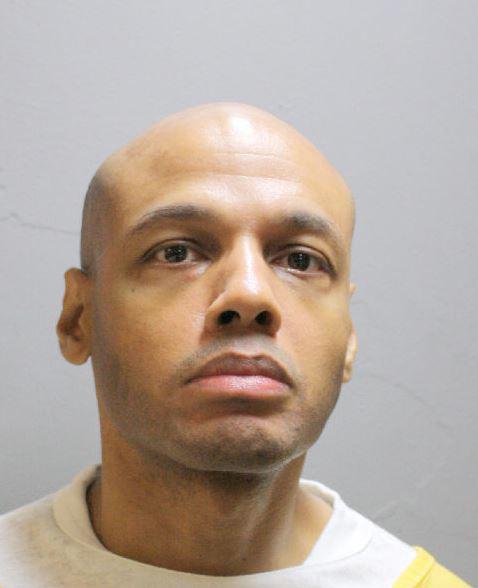
In a grim culmination of three decades of legal battles, Arthur Brown Jr. was executed by the state of Texas on March 9, 2023, despite his final claims of innocence and suppressed evidence. The conviction stemmed from a brutal 1992 Houston massacre that left four dead, two survivors, and a justice system divided.
On June 20, 1992, Brownstone Lane in Houston, Texas, witnessed horror: six people were bound and shot in a terrifying home invasion. Four victims died, including a pregnant teenager, while two miraculously survived despite gunshot wounds to the head. This violent episode sent shockwaves through the community and launched an intense investigation.
Arthur Brown Jr., then entangled in Houston’s 𝒹𝓇𝓊𝑔 underworld according to prosecutors, was swiftly apprehended after a nationwide manhunt. Brown and two co-defendants fled across states, only to be captured following their mothers’ pleas to surrender. Brown’s trial began over a year later, setting the stage for a decades-long legal saga.
Brown’s intellectual capacity became a key battleground. Friends described him as slow and easily manipulated, while prosecutors painted him as a cold-blooded criminal mastermind. His defense contended he was intellectually disabled, a condition legally barring execution under the U.S. Supreme Court’s Atkins ruling—but Texas courts rejected this defense time and again.
The prosecution’s case hinged on the testimonies of two survivors, Rachel Tovar and Nicholas Cortez, who identified Brown as one of the gunmen. However, inconsistencies riddled their statements; Cortez initially failed police lineups, and Tovar’s hospital records showed a traumatic brain injury, casting doubt on her reliability yet were allegedly withheld from the defense.
Crucially, forensic evidence failed to link Brown directly to the crime scene. None of the firearms were found with him or his co-defendants; instead, they were discovered with another individual. Efforts to secure DNA testing over the years were repeatedly denied, preventing potentially exculpatory evidence from surfacing and deepening controversy around the conviction.
Legal avenues persisted through 30 grueling years. Appeals citing suppressed evidence, requests for DNA analysis, and arguments over intellectual disability were dismissed at every level. Brown’s defense claimed systemic failures and deliberate concealment of proof by Texas authorities, while courts maintained the processes were fair and thorough.
In 2006, Marian Dudley, Brown’s co-defendant, was executed first after receiving a death sentence. Brown consistently proclaimed Dudley’s innocence alongside his own, underscoring the unresolved doubts shrouding the case. Dudley’s execution marked the beginning of a prolonged fight for justice that would not extinguish until Brown’s own death sentence was carried out.
The execution took place in the Huntsville Unit at 6:20 p.m., where Brown declined a special last meal—standard fare was served instead, following Texas’s abolition of special requests. His final moments included a lengthy statement protesting the fairness of his trial, insisting on his innocence and lambasting the state’s refusal to grant access to critical evidence.
Before receiving the lethal injection, Brown’s chilling final words echoed through the chamber: “Tonight, Texas will 𝓀𝒾𝓁𝓁 a second innocent man.” He invoked his co-defendant Dudley and referenced a victim’s son’s interview identifying another suspect. His declaration underscored a profound and haunting skepticism toward the justice he faced.

The emotional weight of the case is compounded by the families of the victims, who endured unimaginable loss and years of anguish. Rachel Tovar, herself a survivor, attended both executions, expressing relief that the man she believed responsible would never harm anyone again. Their voices remind us of the human cost behind every court ruling.
Arthur Brown Jr. was the 133rd person executed in Harris County—home to Houston—known for its relentless capital punishment prosecutions. The case typifies enduring American debates over the death penalty, the risk of wrongful executions, and the capacity for justice’s finality to irreversibly falter.
This execution reopens fractures in the legal system where life, death, and truth intersect. It poses a difficult question: Can the system rectify potential errors when the ultimate penalty is administered? Brown’s case stands as a stark testament to the complex, contested nature of capital punishment in the United States.
As the curtain closes on this harrowing chapter, voices across the nation grapple with the lasting implications. The intertwining of compelling survivor testimony, disputed evidence, and unrelenting appeals expose a justice system strained by its own procedures and the haunting possibility of irrevocable injustice.
Tonight, the state of Texas ended Arthur Brown Jr.’s life, but the conversation about innocence, accountability, and the death penalty’s morality is far from over. His execution demands reflection on the balance of power, the need for rigorous safeguards, and the profound human toll of irreversible sentences.

Arthur Brown Jr.’s story is not just about a crime from decades ago; it is about the perpetual tension between law, evidence, and humanity. It forces confronting uncomfortable truths about how justice is pursued and administered in America’s most punitive jurisdictions.
In a nation wrestling with the death penalty’s future, Brown’s case stands as a crucial, urgent reminder: every execution carries the weight of a potential mistake—a risk that challenges society’s commitment to fairness, truth, and the sanctity of human life. The debate continues, unresolved and unyielding.