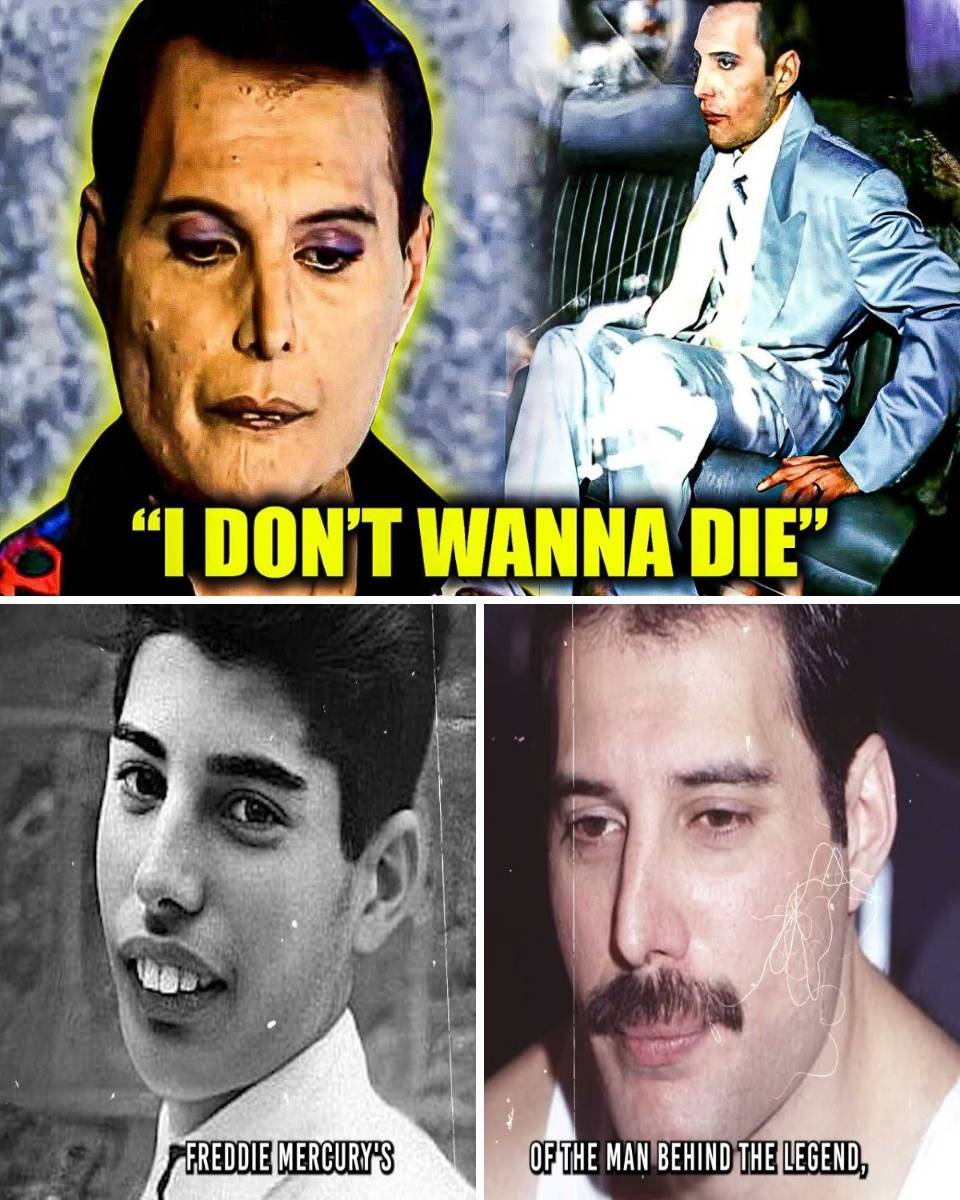
Freddie Mercury, the legendary frontman of Queen, passed away on November 24, 1991, leaving behind an indelible mark on music and culture. His death at 45 from AIDS sent shockwaves across the globe, igniting tributes from fans and friends alike. Mercury’s life and artistry continue to resonate profoundly with millions.
 As news of Mercury’s passing spread, fans gathered outside his home in Kensington, London, lighting candles and leaving flowers, creating a sea of tributes that reflected the love and admiration felt for the iconic performer. The atmosphere was a poignant mix of grief and celebration, as attendees shared stories of how his music had touched their lives.
Born Farrokh Bulsara in Zanzibar, Mercury’s journey to stardom was anything but conventional. His early years in a culturally rich environment shaped his artistic sensibilities, and by the time he moved to England, he was poised to change the music landscape forever. The vibrant London music scene of the late 1960s became the backdrop for his explosive rise.
In 1970, Mercury joined forces with Brian May, Roger Taylor, and John Deacon to form Queen. Their unique blend of rock, opera, and theatrical performances quickly garnered attention. Hits like “Bohemian Rhapsody” showcased Mercury’s extraordinary vocal range and his ability to defy musical conventions, making the band a household name.

As the 1980s rolled in, Queen’s fame soared, marked by unforgettable performances and chart-topping albums. Yet, behind the glamorous façade, Mercury grappled with personal struggles, including his sexuality and battles with addiction. His openness about these challenges made him a beacon of resilience for many, particularly within the LGBTQ+ community.
Mercury’s health declined dramatically after he was diagnosed with AIDS in the late 1980s. Despite the stigma surrounding the disease, he chose to keep his diagnosis private, focusing on his music and relationships. His final days were filled with moments of reflection, surrounded by close friends and loved ones, revealing a man who remained vibrant even in the face of adversity.

On November 23, just a day before his death, Mercury publicly acknowledged his battle with AIDS, a courageous move that brought much-needed attention to the epidemic. His passing not only marked the end of an era but also catalyzed a shift in public perceptions of the disease, humanizing a struggle that many faced in silence.
In the aftermath of his death, the Mercury Phoenix Trust was established to raise awareness and funds for AIDS research, ensuring that his legacy would continue to inspire compassion and understanding. The tribute concert held in his honor in 1992 brought together the biggest names in music, celebrating his life and contributions while advocating for those affected by the disease.

Freddie Mercury’s impact transcends music; he became a cultural icon who challenged societal norms and inspired generations. His flamboyant stage presence, powerful vocals, and unapologetic individuality made him a symbol of freedom and self-expression. Even in his final moments, he remained a figure of strength and charisma.
As we remember Freddie Mercury, we celebrate not just his extraordinary talent but also his courage in the face of adversity. His music continues to inspire new generations, and his story serves as a reminder of the importance of love, acceptance, and resilience in the human experience.