A legendary rap career, a bitter feud, and a stunning public reconciliation have collided following explosive revelations about the business dealings between Houston mogul J. Prince Sr. and iconic rapper Scarface. The complex history, detailed in a recent interview dissection, exposes a deep mentorship turned sour over artistic control and financial disputes, culminating in what Scarface describes as a “snaked out” move.
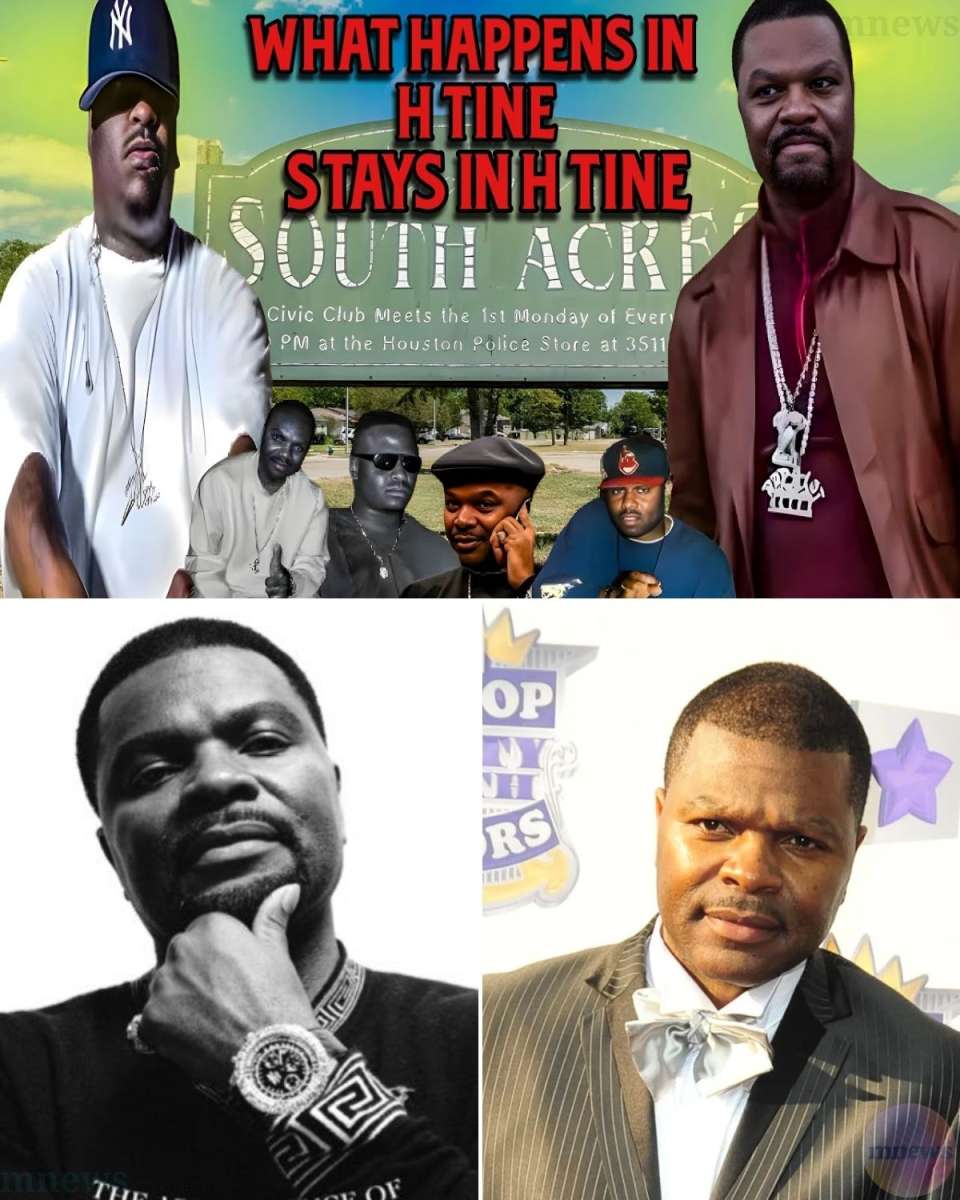
The conflict centers on Scarface’s journey from a member of the Geto Boys on Prince’s Rap-A-Lot Records to a solo superstar. While his early work under the label’s umbrella launched him, Scarface has now revealed a long-simmering resentment over Prince’s handling of his later catalog. He specifically cited the unauthorized release of “My Homies Part 2” as a career-low betrayal.
In previously recorded interviews, Scarface did not mince words, accusing Prince of compromising albums like “The Last of a Dying Breed” and “Balls and My Word.” He portrayed Prince as a ruthless figure who prioritized his own interests above those of his artists, stating bluntly that Prince “didn’t give a f** about you.” This public airing of grievances sent shockwaves through the hip-hop community.
The tension was rooted in Scarface’s belief that Prince mismanaged Rap-A-Lot by trying to emulate Master P’s prolific No Limit model, flooding the market and diluting quality. Scarface felt this strategy led to the label’s decline and directly damaged his artistic output during a period where he was profoundly unhappy, despite commercial success.
However, in a dramatic about-face, Scarface has since completely recalibrated his public stance. In a recent follow-up interview, he reframed the entire dispute as “family business,” calling Prince his “brother” and his “blood.” He invoked a powerful metaphor, stating he was “raised by that same wolf,” implying a shared, hardened upbringing that informs their cutthroat business mentality.
This philosophical shift suggests Scarface now views Prince’s controversial actions through a lens of harsh business realism rather than personal betrayal. “Legally it’s right, morally as an artist I feel that s** is wrong,” he conceded, drawing a clear line between the cold mechanics of contract law and the ethical expectations between an artist and his longtime mentor.

The reconciliation highlights the immense, often feared, influence of J. Prince Sr., a figure who built a Houston empire from the ground up. His reputation for formidable business acumen and street credibility is legendary, fostering both deep loyalty and apprehension within the industry. Prince himself has expressed a desire for respect and love over fear.
His success is visibly manifested in a vast portfolio including multiple lavish estates, a private ranch, luxury vehicles, and significant ventures like the Prince Boxing Complex. Now focused on self-improvement and spiritual growth, Prince continues to expand his influence, recently brokering a major boxing deal for Andre Ward through Roc Nation.
The Scarface-Prince saga underscores the perennial clash between art and commerce in hip-hop. It reveals how relationships forged in the gritty foundations of a local scene are tested by national fame and fortune. Their story moves from a narrative of exploitation to one of complex, grudging respect between two titans cut from the same uncompromising cloth.
For Scarface, the journey reflects an artist’s struggle to own his legacy after years under a powerful patron’s wing. For Prince, it reaffirms his role as a foundational, polarizing architect of Southern hip-hop whose methods, however debated, built an enduring legacy. Their turbulent history remains a foundational chapter in the story of Rap-A-Lot and Houston’s dominance.