When Mel Gibson released The Passion of the Christ in 2004, it shocked audiences with its raw depiction of Jesus’s suffering.
But hidden within the film are layers of symbolism that go far beyond the violence.
These symbols don’t just retell the gospel; they expose the heart of Christianity—betrayal, forgiveness, sacrifice, and redemption.
In this journey, we uncover five symbols in the film that not only deepened its meaning, but also transformed the actors who lived them.

Some of these moments were so intense that the line between performance and reality blurred.
An atheist walked away from the set baptized, a hardened actor wept when he looked into the eyes of Jesus, and one chilling stare between Mary and the devil revealed the eternal battle every believer faces.
This isn’t just about film criticism.
It’s a journey into how art can awaken faith, how images can carry eternal truths, and how even Hollywood can accidentally stumble into sacred ground.
So, let’s begin.
And as we go through these five symbols, ask yourself: Which one speaks to your own walk of faith?
1️⃣ Judas’s Torment: The Kiss That Wouldn’t Wash Away
Judas is often seen as the ultimate betrayer.
But in Gibson’s film, a haunting detail goes beyond the gospel text.
After betraying Jesus, Judas frantically scrapes his lips against a stone wall until they bleed.
This act represents the unbearable weight of sin, as Judas is consumed by guilt, and no amount of silver or regret can undo his actions.
The children surrounding him initially appear innocent, but soon reveal themselves as demonic tormentors, symbolizing the obsessive thoughts of guilt that many of us experience: “You’ll never be forgiven.”
What’s even more striking is that Luca Leonello, the actor who played Judas, arrived on set as an atheist.
However, after immersing himself in the role, he began asking questions, confronting faith, and wrestling with what he was experiencing.
By the end of filming, Luca converted to Catholicism and baptized his children.
Judas’s story didn’t have to be his.
No matter the depth of betrayal, forgiveness is possible—even for the one who kissed Christ in the garden.
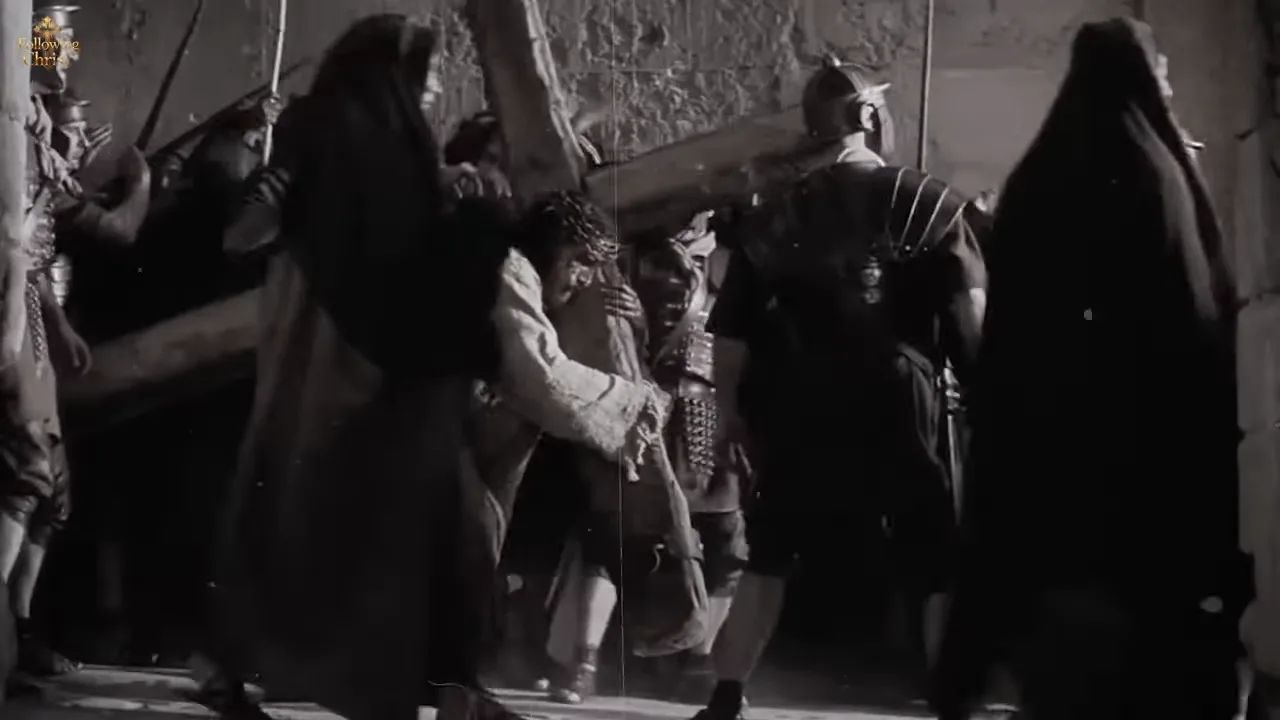
2️⃣ Simon of Cyrene: When a Stranger Becomes a Disciple
In the film, Simon of Cyrene is briefly mentioned in the gospels as the man forced to help Jesus carry the cross.
At first, Simon protests.
He doesn’t want to be associated with a condemned man.
But then, something powerful happens.
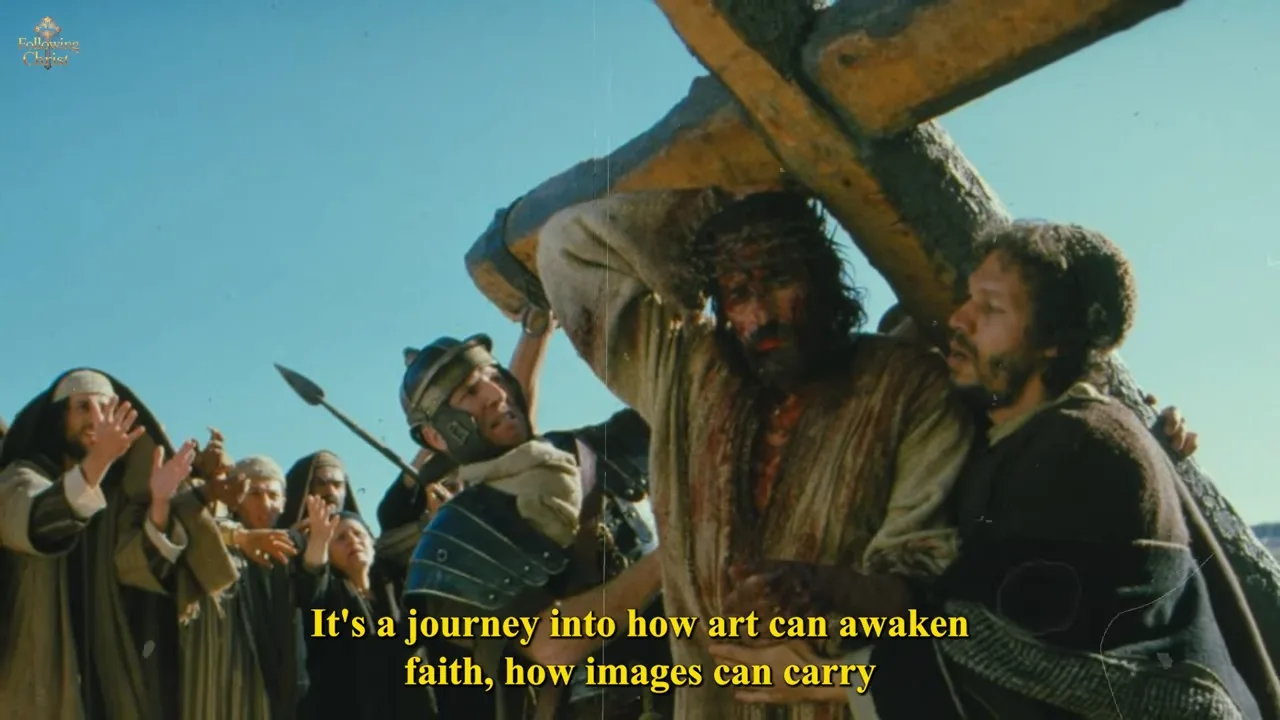
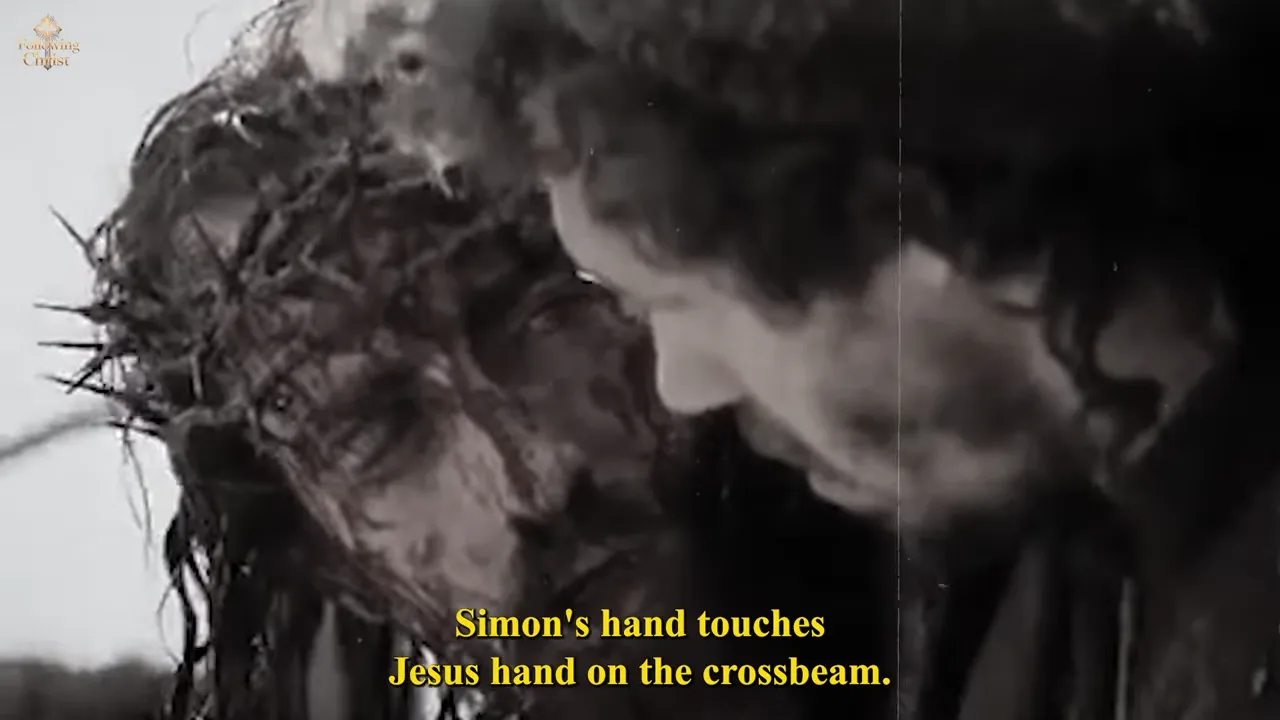
Simon’s hand touches Jesus’s hand on the crossbeam.
This symbolic touch becomes a moment of transformation—as Simon unknowingly becomes part of the story.
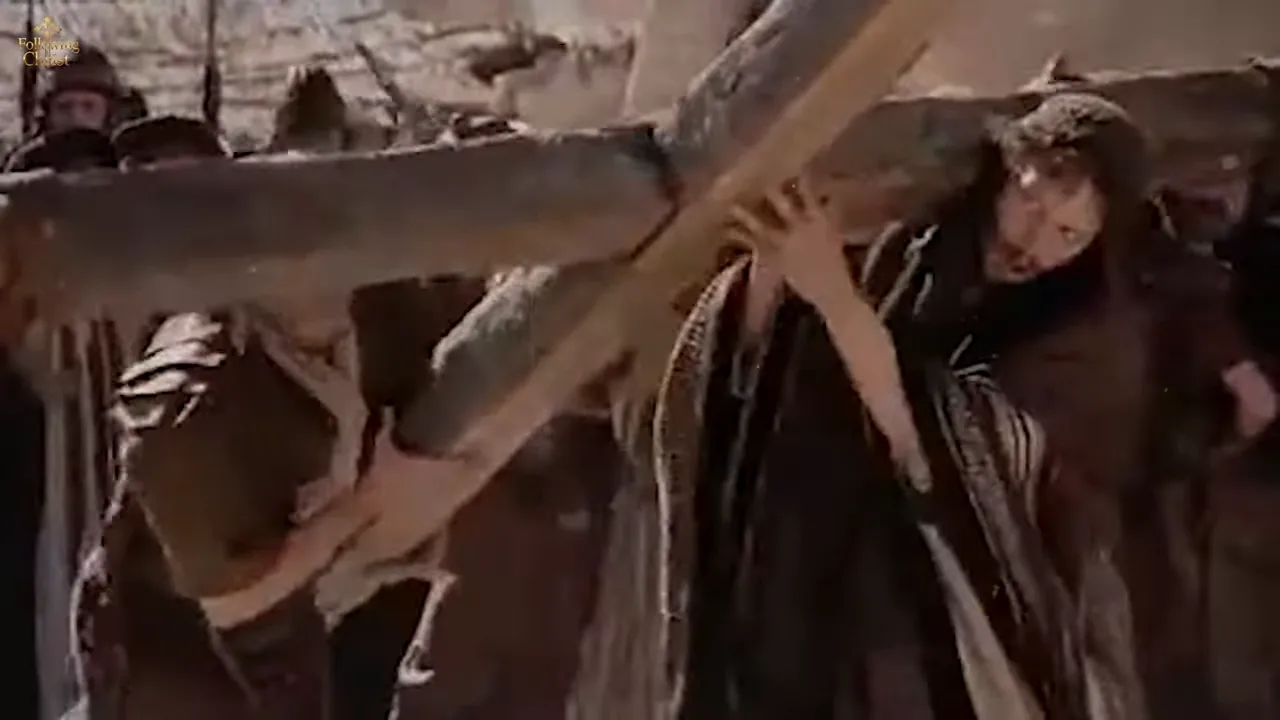
Behind the scenes, Jim Caviezel, the actor who played Jesus, was physically crushed under the weight of the cross.
Jareth Mertz, who played Simon, admitted that during their scenes together, he stopped acting and began simply helping a suffering man.
The fiction collapsed into reality.
Isn’t that the Christian life? We don’t choose the crosses we carry.
They are placed upon us.
At first, we resist, just like Simon.
But through that struggle, the burden becomes a moment of transformation.
The question is: Do we see our struggles as punishments, or do we see them as invitations to walk beside Christ?
3️⃣ Barabbas Saved by a Look
One of the most shocking figures in the story is Barabbas, the murderer set free while Jesus is condemned.
In the film, the crowd roars for his release, and Barabbas stumbles forward, confused.
But there’s a moment—an almost missed glance between him and Jesus.
That look carries a world of meaning.
It’s the face of the innocent giving his life for the guilty.
The actor who played Barabbas, Petro Serubi, was instructed by Gibson not to look directly at Jim Caviezel (Jesus) until the actual scene was shot.
When he finally did, he was pierced to the core by the gaze.
That look radiated mercy, love, and forgiveness.
Barabbas’ story is our story.
We are all guilty, yet Christ takes our place.
One look from Jesus can turn confusion into conversion.
The question is: If Jesus looked at you with those same eyes, would you recognize his mercy, or turn away in fear?
4️⃣ Mary and the Devil: The Gaze of Spiritual Warfare
Not all looks in the film are comforting.
One chilling moment shows Mary struggling through the crowd to reach her son.
She locks eyes with the devil, who is holding a child.
For a second, her steps falter.
This isn’t just a cinematic trick.
It’s a symbol of spiritual warfare—the cosmic battle between light and darkness.
The devil seeks to distract, to tempt, to whisper despair.
But Mary’s unwavering gaze back at the devil shows her unshakable faith.
She knows who the enemy is, and she will not give in.
Spiritual warfare is real.
In moments of weakness, faith can stare down evil and not blink.
When temptation stares you in the face, do you look away, or do you meet it with faith?
5️⃣ The Blood and the Shroud: Was the Film Too Brutal, or Not Brutal Enough?
One of the most frequent criticisms of The Passion of the Christ is its violence—the scourging, the blood, and the relentless brutality.
But here’s the shocking truth: According to studies of the Shroud of Turin, the film only portrayed about 40% of the actual wounds.
Over 600 separate injuries are visible on the shroud, far more than Gibson showed.
Was the film too violent? Or was the reality even worse? The blood in the film is theological, not gratuitous.
In scripture, blood represents life, covenant, and sacrifice.
In one pivotal scene, the blood of Christ splashes onto a Roman centurion, and he converts.
The blood symbolizes more than suffering—it is love.
By His stripes, we are healed.
By His blood, we are saved.
The question is: When you see the cross, do you see only brutality, or do you see love? Because love, when it costs everything, often looks brutal.
Conclusion
These five symbols from The Passion of the Christ reveal more than just filmmaking artistry.
They show us the crushing weight of guilt and the possibility of redemption.
They speak of the unexpected transformation that comes when we carry Christ’s cross.
The mercy that stares us down, even when we deserve punishment.
The reality of spiritual warfare and the unbreakable faith of Mary.
And finally, the blood that is not horror, but hope.
The price of our salvation.
This isn’t just about acting—it’s an invitation to see the gospel with fresh eyes.
What symbol spoke most powerfully to you? Was it Judas’s guilt, Simon’s burden, Barabbas’s mercy, Mary’s defiance, or the blood of Christ? Share your reflections in the comments.
And if this journey has given you something to think about, don’t keep it to yourself—share it.
Invite others, because the story of Christ isn’t just meant to stay on the screen; it’s meant to live in us.